
Las Vegas Domestic Violence Defense Law Center
Your Comprehensive Guide to Battery Domestic Violence Defense in Nevada
The Las Vegas Domestic Violence Defense Law Center was created by Board Certified Criminal Law Specialist, Author, Instructor and Domestic Violence Law Expert Josh Tomsheck, and is designed to provide a one-stop shop for all things Domestic Violence law in the State of Nevada. Here you can find extensive information, conveniently divided into easily navigable sections, to help you learn about Nevada Domestic Violence law, what you need to know and what you need to do when you are faced with a Domestic Violence related legal issues in Las Vegas, and elsewhere throughout the State of Nevada.
What Is Domestic Violence in Nevada?

Domestic violence in Nevada is defined broadly and includes a wide range of behaviors beyond just physical harm. The law recognizes that violence within relationships can be emotional, psychological, or economic, and can affect anyone — regardless of gender or marital status.
🔹 Legal Definition:
Under NRS 33.018, domestic violence in Nevada includes acts committed against a current or former spouse, a romantic partner, someone the accused lives with or has lived with, co-parents of a child, or even relatives by blood or marriage.
Domestic violence includes, but is not limited to:
-
- Battery (unlawful physical force)
- Assault (threat of physical harm)
- Coercion (forcing behavior through threats)
- Sexual assault
- Unlawful restraint or false imprisonment
- Destruction of property
- Harassing phone calls or electronic communication
- Stalking
- Trespassing
🔹 The "Domestic" Element:
The "domestic" part of the crime refers to the relationship between the alleged victim and the accused, not the location or setting of the offense. If the alleged victim is a family member, romantic partner, roommate, or co-parent, the charge may be classified as domestic violence, even if it occurred in public.
🔹 Common Misconceptions:
-
- You don't need visible injuries for a BDV charge to be filed.
- Verbal threats or emotional abuse may qualify if accompanied by certain behavior.
- Mutual arguments can still result in one party being arrested.
- The victim cannot “drop” the charges. Once law enforcement is involved, it is up to the police to arrest and the prosecutor to handle the matter in Court.
🔹 Why It Matters:
Being charged with a domestic violence offense can have serious consequences beyond criminal penalties. A conviction can affect your job, immigration status, child custody rights, and more. Even a first-time misdemeanor BDV charge in Las Vegas is treated seriously by prosecutors and judges.
Types of Domestic Violence Charges in Las Vegas
Domestic violence cases in Clark County include a range of misdemeanor and felony offenses, depending on the nature of the alleged conduct, the injuries involved, and the defendant's prior criminal history.
Here's a breakdown of the most common domestic violence-related charges in Las Vegas:
✅ Misdemeanor Battery Domestic Violence (BDV) – NRS 200.485(1)(a)
This is by far the most frequently filed charge related to domestic violence allegations in the State of Nevada. It usually involves slapping, punching, pushing, grabbing, or throwing an object — without serious injury. However, it is important to know that, in Nevada, any force or violence, or any harmful or offensive contact, can lead to a battery charge, as long as there is some contact.
-
- First offense: Mandatory minimum jail time of 2 days - 6 months in jail, fines, 48–120 hours of community service, and mandatory counseling sessions once per week for 6 months.
- Second offense (within 7 years): Mandatory minimum jail time of 20 days - 6 months jail, higher fines, 100-200 hours of community service and extended counseling sessions once per week for a full year.
✅ Battery Domestic Violence with Substantial Bodily Harm – NRS 200.481
This is a felony charge and includes injuries which meet the definition of "Substantial Bodily Harm" pursuant to NRS 0.060 like broken bones, unconsciousness, or disfigurement.
-
- Category C felony
- Punishment: 1–5 years in prison, up to $10,000 fine
✅ BDV Strangulation – NRS 200.485(2)
Attempting to restrict someone's airway or blood flow, even without visible injury, qualifies as a felony.
-
- Category C felony
- 1–5 years in prison, plus fines and loss of gun rights
✅ BDV with a Deadly Weapon – NRS 200.481
Using any object capable of causing serious injury (knives, tools, guns, etc.) elevates the offense to a felony.
-
- Category B felony
- 2–10 years in prison
✅ Third-Offense BDV (within 7 years) – NRS 200.485(1)(c)
Even without a weapon or serious injury, a third misdemeanor BDV arrest within seven years becomes a felony.
-
- Category C felony
- 1–5 years in prison, no probation
✅ Other Related Offenses Often Charged as Domestic Violence:
-
- Stalking (NRS 200.575)
- Harassment (NRS 200.571)
- Kidnapping (NRS 200.310)
- Violation of Protection Order (NRS 33.100)
Summary of the most commonly charged BDV Charges in Nevada
| Offense Type | Misdemeanor/Felony | Jail/Prison Time | Notes |
|---|---|---|---|
|
BDV First Offense |
Misdemeanor |
2 days – 6 months |
26 weeks counseling required |
|
BDV Second Offense (7 years) |
Misdemeanor |
20 days – 6 months |
Increased penalties - 1 year of counseling |
|
BDV Third Offense (7 years) |
Felony (Category C) |
1 – 5 years in prison |
No probation allowed |
|
BDV with Substantial Injury |
Felony (Category C) |
1 – 5 years in prison |
“Substantial Bodily Harm” required |
|
BDV Strangulation |
Felony (Category C) |
1 – 5 years in prison |
Intentional restriction of breath or blood flow. Mandatory prison. |
|
BDV with Deadly Weapon |
Felony (Category B) |
2 – 10 years in prison |
Any dangerous object or weapon used |

Domestic Violence Laws in Nevada – Statutes and Legal Framework
In Nevada, domestic violence is governed by a combination of criminal statutes and procedural laws that define, prosecute, and penalize domestic violence-related offenses. Understanding this legal framework is critical for anyone facing charges, assisting someone who has been arrested, or trying to make informed decisions about their defense strategy.
Key Statutes Governing Domestic Violence in Nevada
Here are the primary laws involved in domestic violence cases:
🔹 NRS 200.485 – Battery Which Constitutes Domestic Violence
This is the main statute for prosecuting battery domestic violence (BDV) charges. It defines the crime and outlines the escalating penalties for repeat offenses.
🔹 NRS 200.481 – Battery with Use of a Deadly Weapon or Resulting in Substantial Bodily Harm
This statute enhances BDV to a felony if the battery involves a weapon or causes serious injury.
🔹 NRS 200.471 – Assault
A person may be charged with assault under this statute, and if the alleged victim is a family or household member, it may qualify as a domestic violence offense.
🔹 NRS 33.018 – Definition of Domestic Violence for Protective Orders
Defines what qualifies as domestic violence for the purpose of restraining orders, including threats, harassment, trespassing, stalking, sexual assault, and other non-physical conduct.
🔹 NRS 33.100 – Violation of Protective Orders
Criminalizes the violation of a temporary or extended protection order, even without a separate act of violence.
🔹 NRS 171.137 – Mandatory Arrest Policies
This law mandates that law enforcement must arrest a person when there is probable cause to believe that domestic violence occurred within the last 24 hours.
🔹 NRS 200.575 – Stalking
Commonly charged in domestic violence-related cases, particularly when accusations include repeated unwanted contact or surveillance.
Related Laws That May Apply in Domestic Violence Cases
- NRS 432B.220 – Mandated reporting of child abuse (may impact cases where children are involved)
- NRS 193.166 – Penalty enhancement for crimes committed in the presence of a child
- NRS 200.571 – Harassment
- NRS 207.190 – Coercion (used in some DV cases involving threats to force certain conduct)
Court Procedures Impacted by These Laws
Because these statutes include mandatory arrest provisions, penalties for noncompliance with protection orders, and minimum sentencing for convictions, individuals charged with domestic violence in Las Vegas face an aggressive and complex legal system. Prosecutors are often reluctant to negotiate or dismiss these cases — even if the alleged victim does not want to pursue charges.
These laws also interact with federal statutes that impact immigration, firearm possession (under the Lautenberg Amendment), and military service. That's why it is crucial to have an experienced domestic violence defense lawyer who understands both Nevada statutes and their broader consequences.
What to Expect After a Domestic Violence Arrest in Las Vegas
Being arrested for domestic violence in Las Vegas can be a frightening and confusing experience. Understanding what to expect after an arrest can help reduce uncertainty and protect your rights at every stage.
Here's a step-by-step overview of what happens after a domestic violence arrest in Clark County:
Immediate Arrest and Booking
Under NRS 171.137, law enforcement is required to arrest a person if they have probable cause to believe domestic violence occurred within the last 24 hours.
-
- You may be arrested on the spot even if the alleged victim recants.
- Police typically take photos, interview witnesses, and collect statements.
- You will be transported to the Clark County Detention Center or appropriate city jail.
12-Hour Hold and Release Process
Nevada law imposes a mandatory 12-hour cooling-off period for domestic violence arrests before the accused can be released. This delay is intended to prevent further escalation of conflict.
-
- Bail is typically set by a schedule unless the charge is a felony or enhancement applies.
- A standard misdemeanor BDV arrest generally allows for bail between $3,000–$5,000.
- You may be released on bail or released on your own recognizance depending on the court and facts of the case.
Initial Court Appearance / Arraignment
This usually happens within 72 hours of arrest, often in Las Vegas Justice Court or Las Vegas Municipal Court depending on the arresting agency.
-
- You will be formally informed of the charges.
- A judge will review bail and may impose a no-contact order or protection order.
- You must enter a plea (Not Guilty, Guilty, or No Contest).
Protective Orders and No-Contact Conditions
At or after the arraignment, the court may issue:
-
- Temporary Protection Orders (TPOs) preventing contact with the alleged victim
- Orders restricting you from returning home or contacting children
- Firearm surrender requirements (you may be required to turn in all guns)
Pretrial Conference and Negotiations
Once your case is set for trial or resolution:
-
- Your attorney can begin collecting evidence, requesting discovery, and negotiating with the prosecution.
- Some cases are eligible for diversion or counseling programs if you have no prior record.
- Others may require aggressive motion practice or trial preparation.
Trial or Resolution
If your case is not resolved by plea or dismissal, you may proceed to trial.
-
- Misdemeanor BDV trials are typically bench trials although they can involve a jury if the person charged elects for one. Jury trials are typically longer and usually cost a great deal more to defend than a non-jury trial.
- Felony BDV trials are jury trials, and may involve significant evidentiary battles.
- Convictions may result in jail, fines, loss of gun rights, immigration consequences, and more.
Warning About Violating Conditions of Release
If you violate any protection order, no-contact provision, or fail to appear in court, you could be re-arrested, held without bail, and face new charges.
What You Should Do Immediately:
-
- Do NOT contact the alleged victim, even if they try to contact you.
- Hire an experienced domestic violence lawyer in Las Vegas.
- Preserve evidence — photos, messages, call logs, and witness names.
- Avoid discussing the case on social media or with third parties.
______________________________________________________________________________________________________________
Courts That Handle Domestic Violence Cases in the Las Vegas Area
Domestic violence charges in the Las Vegas area are heard in a number of local courts, depending on where the alleged incident occurred, the law enforcement agency involved, and whether the charge is a misdemeanor or felony. Each court has unique procedures, assigned prosecutors, and designated judges, making it essential to work with a lawyer who knows how to navigate each jurisdiction.
Misdemeanor Domestic Violence Courts
Most misdemeanor Battery Domestic Violence (BDV) charges are handled in the following limited jurisdiction courts:

🔹 Las Vegas Justice Court
-
- Jurisdiction: Unincorporated areas of Clark County (including parts of the Las Vegas Strip)
- Special BDV Courts: Currently these cases are heard in JC7 (Judge Wilson) and JC8 (Judge Bernstein) oversee most BDV cases
- Handles cases prosecuted by the Clark County District Attorney's Office
- Notable for early trial settings and aggressive pretrial resolution efforts
🔹 Las Vegas Municipal Court
-
- Jurisdiction: City of Las Vegas
- Prosecuted by Las Vegas City Attorney's Office
- Known for heavy case volume, strict protective order enforcement, and focus on domestic violence programming
🔹 North Las Vegas Municipal Court
-
- Jurisdiction: City of North Las Vegas
- Cases prosecuted by North Las Vegas City Attorney
- May impose harsh sentencing for repeat offenders or probation violations
🔹 Henderson Municipal Court
-
- Jurisdiction: City of Henderson
- Aggressive enforcement of protective orders and mandatory counseling
- Known for harsh sentences and significant oversight of people on probation type special programs supervision.
🔹 Boulder City and Mesquite Municipal Courts
-
- Smaller caseloads but serious treatment of domestic violence offenses
- Prosecuted by local city attorneys
Felony Domestic Violence Courts
Felony-level domestic violence cases are handled in the Eighth Judicial District Court located in downtown Las Vegas.
Felony charges include:
- BDV with strangulation (NRS 200.485(2))
- BDV with a deadly weapon
- BDV causing substantial bodily harm
- Third BDV offense within 7 years
These cases are prosecuted by the Clark County District Attorney and follow standard felony criminal procedure, including:
- Preliminary hearing in Justice Court
- Possible indictment by grand jury
- Jury trial rights
- Exposure to prison terms in the Nevada Department of Corrections
Justice Courts Outside Las Vegas
The following courts also regularly hear misdemeanor or felony domestic violence cases:
- North Las Vegas Justice Court
- Henderson Justice Court
- Laughlin Justice Court
- Bunkerville, Goodsprings, Searchlight, and Moapa Valley Justice Courts
- Pahrump and Beatty Justice Courts (Nye County)
Each court has unique filing and hearing procedures, and each prosecutor's office has different policies on plea offers, trial settings, and diversion eligibility. Hiring an attorney with experience in these courts is essential for maximizing your chances of success.
Penalties for Domestic Violence Charges in Nevada
The penalties for a domestic violence conviction in Nevada vary depending on the level of offense (misdemeanor or felony), prior convictions, and whether any aggravating factors are present. A conviction can affect your freedom, job, immigration status, firearm rights, and child custody.
Let's break down the possible penalties by offense type:
🔸 First-Offense Misdemeanor Battery Domestic Violence
- Jail: 2 days to 6 months
- Fines: $200 to $1,000
- Community Service: 48 to 120 hours
- Mandatory Counseling: 26 weekly domestic violence classes
- Firearm Ban: Immediate, even if only a misdemeanor
- No option for early record sealing until 7 years after case closes
🔸 Second-Offense Misdemeanor BDV (within 7 years)
- Jail: 20 days to 6 months
- Fines: $500 to $1,000
- Community Service: 100 to 200 hours
- Counseling: May be extended or enhanced
- Even stricter treatment by prosecutors and judges
🔸 Third-Offense BDV (within 7 years) – Category C Felony
- Prison: 1 to 5 years
- Fines: Up to $10,000
- No diversion or probation in most cases
- Treated as violent felony conviction
🔸 BDV with Strangulation – Category C Felony
- Prison: 1 to 5 years
- May be enhanced with weapon or prior convictions
- Often charged with other crimes such as kidnapping or coercion
🔸 BDV with Substantial Bodily Harm – Category B Felony
- Prison: 2 to 15 years
- These cases often involve serious injury, weapon use, or enhanced allegations
- May involve simultaneous charges of attempted murder or battery with intent to kill
Additional Consequences of Conviction
- Loss of Gun Rights: Federal law (Lautenberg Amendment) prohibits possession of firearms by anyone convicted of misdemeanor domestic violence
- Immigration Consequences: May be considered a deportable offense
- Family Law Impact: Can affect child custody determinations
- Professional Consequences: May result in job loss, inability to obtain licensure, or negative publicity
- Ineligibility for Sealing: Many BDV charges are not eligible for record sealing for 7 years
Penalties at a Glance
| Charge | Level | Jail/Prison | Fine | Firearm Ban | Record Sealing Eligible |
|---|---|---|---|---|---|
|
1st Misdemeanor BDV |
Misdemeanor |
2 days – 6 months |
$200 – $1,000 |
Yes |
After 7 years |
|
2nd Misdemeanor BDV |
Misdemeanor |
20 days – 6 months |
$500 – $1,000 |
Yes |
After 7 years |
|
3rd BDV (Felony) |
Felony (C) |
1 – 5 years |
Up to $10,000 |
Yes |
After 12 years (if ever) |
|
BDV w/ Strangulation |
Felony (C) |
1 – 5 years |
Up to $10,000 |
Yes |
After 12 years (if ever) |
|
BDV w/ Substantial Bodily Harm |
Felony (B) |
2 – 15 years |
Up to $10,000 |
Yes |
Rarely |
Why These Penalties Matter
Many people don't realize how serious a BDV charge is until it's too late. Even a first misdemeanor conviction can:
- Cost you your job
- Ruin your immigration status
- Strip your Second Amendment rights
- Keep you from sealing your record for nearly a decade
Having the Las Vegas Domestic Violence Defense Law Center on your side can make the difference between a future burdened by a conviction and one where you're free to move forward. Our legal team knows how to challenge weak evidence, expose false allegations, and protect your record and rights.
Common Defenses to Domestic Violence Charges

Domestic violence accusations can result in devastating consequences, even when the allegations are exaggerated, false, or misunderstood. Fortunately, many legal defenses exist in Nevada to fight back against domestic violence charges. The right defense depends on the specific facts, evidence, and context of the case.
Here are the most common and effective defenses that can be used in Las Vegas domestic violence cases:
🔹 Self-Defense or Defense of Others
Nevada law allows a person to use reasonable force to defend themselves or another person if they believe they are in imminent danger of being harmed. To assert self-defense:
-
- The threat must be immediate.
- The level of force must be proportional.
- You must not be the initial aggressor.
This is a powerful defense if there is a history of mutual violence, or if the alleged victim was the actual aggressor.
🔹 False Allegations
Domestic violence charges often arise in the context of breakups, custody battles, or revenge. Unfortunately, some individuals weaponize the legal system by making false accusations to gain leverage or control.
Common red flags of false accusations:
-
- No physical injuries
- Inconsistent statements by the alleged victim
- Witnesses who contradict the story
- Alleged victim refuses to cooperate later
Your attorney can subpoena phone records, social media messages, surveillance footage, or other evidence to expose dishonest claims.
🔹 Lack of Evidence
Prosecutors must prove guilt beyond a reasonable doubt. That's a high burden. Many BDV cases lack solid evidence because:
-
- There are no injuries
- The only witness is the alleged victim
- The story changes over time
- Police did not properly investigate
A skilled domestic violence lawyer can file pretrial motions to suppress evidence, challenge weak or speculative testimony, and emphasize reasonable doubt to a jury.
🔹 Accidental Injury
Not all injuries are the result of intentional harm. If you accidentally caused someone to fall, bump into furniture, or get hurt while trying to separate from a fight, it may not meet the legal definition of "battery."
In Nevada, battery requires:
"Any willful and unlawful use of force or violence upon the person of another." (NRS 200.481)
If the conduct was not willful, it may not be criminal.
🔹 Mutual Combat
Sometimes both parties engage in physical behavior during an argument or altercation. If both people were equally involved, the prosecution may be unable to prove that you alone committed a battery. This can lead to a reduced charge or dismissal.
🔹 Violation of Rights
Your rights must be respected throughout the criminal process. If the police:
-
- Entered your home without a warrant or valid exception
- Interrogated you without Miranda warnings
- Used excessive force
- Failed to preserve evidence
Your attorney may be able to suppress key evidence, weakening the prosecution's case or even resulting in dismissal.
The Role of the Las Vegas Domestic Violence Defense Law Center
At the Las Vegas Domestic Violence Defense Law Center and LVNVDV.com, our legal team will:
- Analyze police reports and body cam footage
- Interview witnesses and cross-examine the alleged victim
- File motions to suppress evidence and challenge probable cause
- Negotiate with prosecutors for dismissal or diversion
- Fight aggressively at trial if necessary
Every case is unique, and the best defense strategy will depend on your specific circumstances. What matters is having a board-certified, experienced legal advocate by your side who has handled hundreds of domestic violence cases with successful outcomes.
Prosecutor Role and No Drop Policy
Understanding how prosecutors handle domestic violence cases is key to understanding your options and risks. Nevada prosecutors take an aggressive stance on domestic violence and often proceed with charges even if the alleged victim recants.
What Is the "No Drop" Policy?
In Clark County and throughout Nevada, prosecutors follow a “no drop” policy in domestic violence cases. This means even if the alleged victim no longer wants to press charges, the prosecutor can — and usually will — continue the case.
Why? The rationale is that victims may be coerced or intimidated into recanting. Prosecutors believe they are protecting victims from future harm.
Why This Can Be a Problem
While the intent may be noble, the result can be devastating for the wrongfully accused:
- False accusations still get prosecuted.
- Minor incidents get blown out of proportion.
- Dismissal becomes more difficult, even when the alleged victim admits to lying or wants the case dropped.
You need an experienced domestic violence defense attorney to navigate these prosecutorial policies.
How Prosecutors Build Their Case Without the Victim
In cases where the alleged victim refuses to testify, prosecutors may rely on:
- 911 call recordings
- Police officer testimony
- Medical records or photographs
- Body cam footage
- Prior statements by the victim under hearsay exceptions
- Witness testimony or admissions made by the defendant
This makes it all the more critical to challenge every piece of evidence and hold the prosecution to its burden of proof.
Negotiations and Plea Bargains
Despite the “no drop” policy, skilled defense lawyers often persuade prosecutors to:
- Offer reduced charges (e.g., disorderly conduct)
- Recommend diversion or counseling programs
- Dismiss cases with weak evidence
At the Las Vegas Domestic Violence Defense Law Center, we are familiar with the policies of each local prosecutor's office — including the Clark County District Attorney, the Las Vegas City Attorney, and others — and we know how to negotiate from a position of strength.
Need Experienced Legal Defense?
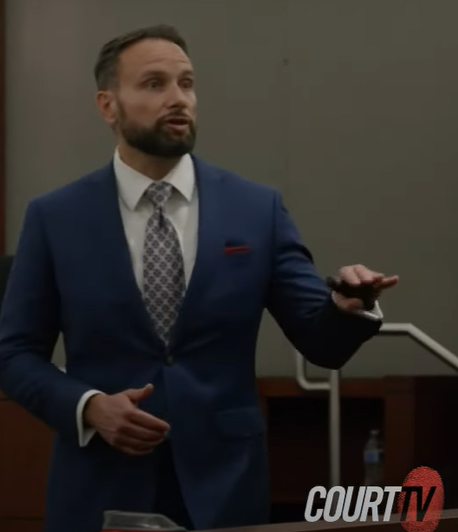
If you're facing domestic violence allegations in Las Vegas or surrounding areas, don't face prosecutors alone — especially when they have no intention of dropping the case without a fight. Contact the Las Vegas Domestic Violence Defense Law Center through LVNVDV.com to schedule a confidential consultation.
Digital Evidence in Domestic Violence Cases
In today's connected world, digital evidence often plays a critical role in both prosecuting and defending domestic violence charges in Las Vegas. Texts, social media posts, emails, and recorded videos can dramatically influence the outcome of a case — for better or worse.
At the Las Vegas Domestic Violence Defense Law Center, we understand how to leverage digital evidence to your advantage or challenge evidence improperly collected or taken out of context.
Common Types of Digital Evidence in Domestic Violence Cases
Digital evidence may include:
-
- Text messages or emails between the parties
- Social media posts, comments, or photos
- Phone call logs or voicemails
- Body cam footage from police
- Surveillance video (home, business, public)
- 911 recordings
- Dating app messages
- Location data from smartphones
- Screenshots of threats, conversations, or injuries
This evidence can be introduced by either the prosecution or defense to support or disprove claims of abuse, threats, or injuries.
How Digital Evidence Can Help or Hurt
Helpful for the Defense
-
- Shows the alleged victim was harassing, threatening, or manipulating the defendant.
- Reveals inconsistencies in the accuser's timeline or statements.
- Proves the defendant was not at the scene at the time of the alleged incident.
- Demonstrates mutual combat or self-defense.
- Shows attempts by the alleged victim to coerce or fabricate a charge.
Potentially Harmful
-
- Messages admitting to wrongdoing or apologizing.
- Threats sent via text or email.
- Photos of injuries.
- Video showing physical altercation.
Legal Considerations in Collecting Digital Evidence
Under Nevada law and constitutional protections:
-
- Illegally obtained data (such as accessing someone else's device without consent) may be inadmissible.
- Police must generally obtain a warrant to search your phone.
- Certain types of digital communications may be protected by privileges, such as marital or attorney-client.
Your defense lawyer can file motions to suppress unlawfully obtained evidence or challenge authenticity and relevance.
Best Practices for Defendants
If you are accused of domestic violence:
-
- Do not delete any digital communications.
- Do not contact the alleged victim, especially by text or social media.
- Preserve evidence that supports your side (e.g., screenshots, call logs).
- Tell your lawyer everything — even messages you think are bad.
At LVNVDV.com, we have extensive experience reviewing digital trails, subpoenaing third-party records, and ensuring your rights are protected when digital evidence becomes part of your case.
Domestic Violence & Family Law Issues
Domestic violence allegations often intersect with family law matters, such as divorce, child custody, visitation, and protective orders. These parallel proceedings can dramatically influence both criminal and civil outcomes — and require a coordinated legal strategy.
At the Las Vegas Domestic Violence Defense Law Center, we understand how to protect your criminal rights while safeguarding your family law interests.
Domestic Violence Allegations in Custody Disputes
In Nevada, family court judges are required to consider whether a parent has committed domestic violence when determining custody or visitation.
Under NRS 125C.0035, a parent who has committed domestic violence may be presumed unfit to have custody.
This means:
- You may lose joint custody rights.
- You may be restricted to supervised visitation.
- You may be ordered to complete anger management or parenting classes.
False or exaggerated allegations can be strategically used by the other parent to gain custody or limit your access to your child.
How We Defend Your Parental Rights
We work with experienced family law attorneys when needed to:
- Challenge false or unsubstantiated allegations.
- Present character evidence and witness testimony.
- Show compliance with court orders.
- Demonstrate stability, parenting involvement, and rehabilitation (if applicable).
Our goal is to protect your freedom in criminal court and your relationship with your children in family court.
Temporary and Extended Protective Orders (TPOs & EPOs)
A person alleging domestic violence can request a Temporary Protective Order (TPO) or Extended Protective Order (EPO) through family or justice court.
Consequences of a protective order include:
- Being ordered to leave your home.
- Losing access to your children.
- Surrendering firearms.
- Being prohibited from calling or texting the accuser.
Even if you haven't been charged criminally, a TPO can impact your life immediately. And if you violate the order, you can face additional criminal charges.
Coordinating Family & Criminal Defense
Because criminal and family law cases often proceed simultaneously, it's crucial that your legal team coordinate strategy. Statements in one court can be used in the other.
At LVNVDV.com:
- We advise you on what to say and not say in custody hearings.
- We protect your rights in both forums.
- We help you avoid inadvertently harming your criminal case through family court testimony
At our firm, Hofland & Tomsheck, we have some of the most experienced Family law (Divorce and Child Custody) lawyers in the State of Nevada and we can assist you with these matters. While Board Certified Criminal Law Specialist Josh Tomsheck does not handle family law matters, Partner Bradley J. Hofland and our team of experienced family law associates can handle these matters with the attention, professionalism and results you expect and deserve.
Protect Your Rights in Criminal and Family Court
If you're facing domestic violence charges and involved in custody, divorce, or TPO proceedings, you need a legal team that understands both areas of law. Contact the Las Vegas Domestic Violence Defense Law Center today through LVNVDV.com for expert guidance and aggressive representation.
Diversion Programs and Counseling Options in Las Vegas
In many domestic violence cases—especially for first-time offenders—the courts in other jurisdictions outside of Las Vegas offer diversionary programs or court-ordered counseling as alternatives to harsher criminal penalties. These programs aim to reduce recidivism, promote rehabilitation, and provide second chances. While there are really no formal diversionary programs for Domestic Violence Charges in Las Vegas, there are alternative ways to resolve cases which accomplish the same result, namely a dismissal of the charge and a return to normal life with a clean record. We can often utilize legal vehicles in the resolution of a case, such as a "stayed adjudication" or "submittal on the record" where the person accused does not admit guilt, nor do they sustain a conviction, assuming they do the agreed upon items which are ordered by the Court when the negotiation is entered.
At the Las Vegas Domestic Violence Defense Law Center, we understand how to pursue these options strategically to protect your record and your future.
What Is a Stayed Adjudication or a Submittal on the Record?
A Stayed Adjudication is where we place the factual basis on the record for a plea, but no adjudication is entered. It is stayed. This means the Court essentially pushes pause on the case while the person accused does requirements, such as classes, counseling, community service and/or fines. During the time these items are being done the individual must stay out of trouble and not get arrested for anything else. Assuming the individual accomplishes these requirements and stays out of trouble, the case will then be substantially reduced or even dismissed, meaning the individual who had been charged with a serious Domestic Violence related offense no longer has that accusation on their record. In many cases, Josh Tomsheck is able to work out these negotiations without any jail time or a conviction, and upon successful completion, the charge may be dismissed entirely.
A Submittal on the Record is a similar process, wherein the Defendant doesn't enter any plea at all - doesn't say "guilty" or "not guilty" but instead the matter is simply "submitted" to the Court and the case paused while requirements are completed. This allows the person accused to maintain a clean record void of any domestic violence conviction.
In Nevada, and in all Court in and around Las Vegas, Mr. Tomsheck has utilized these strategies to avoid the risk and expense of Trial, while still allowing his clients to achieve complete dismissal of their serious charges . . . all with no admission of any guilt. This is a tried-and-true way to win Battery Domestic Violence (BDV) cases under the right circumstances.
Eligibility for Stayed Adjudication and Submittal Diversion in Las Vegas
These options are often negotiated by Attorney Tomsheck but are most common in cases involving:
- First-time offenders
- Individuals with no prior violent crimes
- Defendants charged with misdemeanor domestic battery under NRS 200.485
- Cases without serious injuries or weapons
- Cases with evidentiary, witness or proof issues which can be exploited to the advantage of the accused.
Each court (Las Vegas Justice Court, Las Vegas Municipal Court, Henderson, North Las Vegas, etc.) has its own policies and criteria. A skilled attorney can negotiate with prosecutors and judges to secure your participation in these programs and at the Las Vegas Domestic Violence Law Center attorney Josh Tomsheck routinely accomplishes these results for his clients.
Common Conditions Stayed Adjudication and Submittal Diversion
Requirements may include:
- Domestic violence counseling course (per NRS 200.485)
- Anger management or impulse control classes
- Community service
- Stay-out-of-trouble clauses
- No contact orders with the alleged victim (at least temporarily)
- Payment of fees and program costs
- Fines (often converted to cash bail and forfeited)
These programs are demanding—but they are also a path to dismissal if completed properly.
What Happens If You Fail the Requirements of a Stay of Adjudication or Submittal on the Record?
If you:
- Miss sessions
- Pick up new charges
- Violate court orders
...the judge can revoke the diversion agreement, and your case can move immediately into a conviction with suspended jail time and fines imposed.
How We Help at LVNVDV.com
We work hard to:
- Get prosecutors and courts to allow you the option for a stayed adjudication or a submittal on the record whenever possible
- Ensure the terms are fair and achievable
- Monitor your compliance and help resolve any violations
- Push for full dismissal of the charges upon completion
- Go to Court for you so you don't have to personally appear
Our experience across all Las Vegas courts gives us an edge in navigating these opportunities.
About the Las Vegas Domestic Violence Defense Law Center
The Las Vegas Domestic Violence Defense Law Center, found online at LVNVDV.com, is a dedicated criminal defense resource created by nationally board-certified attorney Josh Tomsheck, a former Chief Deputy District Attorney for Clark County, Nevada. Mr. Tomsheck is a long standing and respected member of the Criminal Defense Bar in Nevada, a well-known lecturer and educator on Trial Advocacy issues and the Author of Nevada Criminal Law & Procedure, the most comprehensive treatise on Nevada Criminal law ever published. With a reputation for trial excellence and deep knowledge of Nevada domestic violence laws, our center is built to defend the accused with skill, strategy, and results.

About Las Vegas Domestic Violence Attorney Josh Tomsheck
Attorney Josh Tomsheck is:
- A Board-Certified Criminal Trial Lawyer
- A former Chief prosecutor who handled complex domestic violence, felony, and homicide cases
- A life member of the National Association of Criminal Defense Lawyers
- A member of the DUI Defense Lawyers Association and National College for DUI Defense
With thousands of domestic violence cases handled, Josh has:
- Achieved hundreds of dismissals
- Secured not guilty verdicts at trial
- Negotiated reduced charges and diversion deals
-
Protected the rights of clients ranging from everyday people to doctors, athletes, executives, and fellow attorneys . . . even Judges facing charges of Domestic Violence.
📍 Where We Defend Clients
The LVNVDV Defense Center appears in courts across Nevada, including:
| Court | Location |
|---|---|
|
200 Lewis Ave, Las Vegas, NV |
|
|
100 E Clark Ave, Las Vegas, NV |
|
|
243 Water St, Henderson, NV |
|
|
2428 N Martin Luther King Blvd, North Las Vegas, NV |
|
|
625 Arizona St, Boulder City, NV |
|
|
200 Lewis Ave, Las Vegas, NV |
We also represent clients in Mesquite, Pahrump, Beatty, Laughlin and other nearby communities.
24/7 Access and Immediate Help
At the Las Vegas Domestic Violence Defense Law Center, we know that arrests don't happen during office hours. That's why our office at 228 S. 4th Street, First Floor, Las Vegas, NV 89101 is staffed 24/7 to answer your questions and schedule consultations.
Whether you're already facing charges or under investigation, we're here to:
- Explain your rights
- Help you avoid jail and convictions
- Provide compassionate, strategic guidance every step of the way
Don't Wait Until It's Too Late
If you've been arrested, charged, or accused of Battery Domestic Violence or any domestic-related crime in Southern Nevada, contact the Las Vegas Domestic Violence Defense Law Center today. Visit us at LVNVDV.com or call 702-895-6760 to get started with a free and confidential consultation.
Domestic Violence Defense Resources
A well-prepared defense begins with reliable information. Below are key resources for individuals navigating domestic violence charges in Las Vegas or greater Clark County. These include court resources, community programs, and legal references to help you understand the legal system and your options.
📚 Nevada Legal References
- NRS 200.485 – Battery constituting domestic violence
- NRS 33.018 – Definitions related to domestic violence
- NRS 125C.0035 – Child custody determinations and domestic violence
- NRS 178.484 & 178.4851 – Bail and release conditions
🏛️ Las Vegas Area Courts
| Court | Website | Phone |
|---|---|---|
|
Las Vegas Justice Court |
(702) 671-3478 |
|
|
Las Vegas Municipal Court |
(702) 382-6878 |
|
|
Clark County District Court |
(702) 671-4528 |
|
|
Henderson Justice Court |
(702) 267-3300 |
Counseling & Education Providers
These are frequently approved by Las Vegas courts for BDV programs:
- Options - Court mandated counseling provider offering Domestic Violence Program counseling for over 25 years.
- LRS Systems – Court-mandated DV programs, including facial recognition confirmation for programs requiring that service.
- Smart Choices – Court Mandated Education Provider with brick-and-mortar offices in Nevada and SAPTA certified as an Evaluation Center offering courses in English and Spanish.
Always confirm with your defense attorney whether a program is court-approved.
Know Your Rights Materials
- ACLU of Nevada – Legal rights guides
- State Bar of Nevada – Lawyer referral and public info
- LVNVDV.com Resources – Check our site frequently for updated blogs, guides, and legal insight on domestic violence defense in Nevada
Frequently Asked Questions (FAQ)
Can a domestic violence charge be dropped in Las Vegas?
Yes, in some cases. Prosecutors often require compelling reasons to dismiss, such as lack of evidence, recanting by the alleged victim, constitutional violations, or participation in diversion programs. Your attorney may also negotiate for dismissal through motions or plea agreements.
Will I go to jail if convicted of Battery Domestic Violence?
Possibly. For a first offense, jail time ranges from 2 days to 6 months, but some courts allow suspended sentences or alternatives like counseling. For repeat offenses, jail or even state prison time is more likely.
Do I have to stay away from the alleged victim?
If the court issues a no-contact order or a temporary protective order, yes. Violating this order—even if the alleged victim contacts you first—can result in additional criminal charges and jeopardize your defense.
Can I own a gun if I'm convicted of domestic battery?
No. Under both Federal Law (18 USC 922 and the Lautenberg Amendment) and Nevada Law (NRS 202.360), a conviction for domestic violence—even a misdemeanor—results in a lifetime ban on firearm possession.
What happens if the accuser doesn't show up to court?
The prosecutor may still proceed using 911 calls, witness testimony, or police observations. However, if the case relies entirely on the alleged victim and they're unavailable, your attorney may move for dismissal or exclusion of key evidence.
What if I was defending myself?
Self-defense is a valid legal defense to domestic battery in Nevada. You must show that:
-
- You reasonably believed you were in imminent danger of harm
- The force you used was necessary and proportionate
- You did not provoke the situation
Your Las Vegas Battery DV Lawyer will develop and present evidence to support this defense.
Contact the Las Vegas Domestic Violence Defense Law Center
If you've been arrested, accused, or charged with Battery Domestic Violence in Las Vegas, you cannot afford to wait or handle the case alone. A conviction can affect your career, custody rights, reputation, and freedom.
The Las Vegas Domestic Violence Defense Law Center, founded by Attorney Josh Tomsheck, is Southern Nevada's premier legal resource for defending against domestic violence and battery charges. We serve clients across:
- Las Vegas
- North Las Vegas
- Henderson
- Boulder City
- Mesquite
- Pahrump
- And all of Clark and Nye Counties
From your first court date to the final resolution, we protect your rights, challenge the prosecution's case, and fight for the best possible outcome.
📍 Office Location:
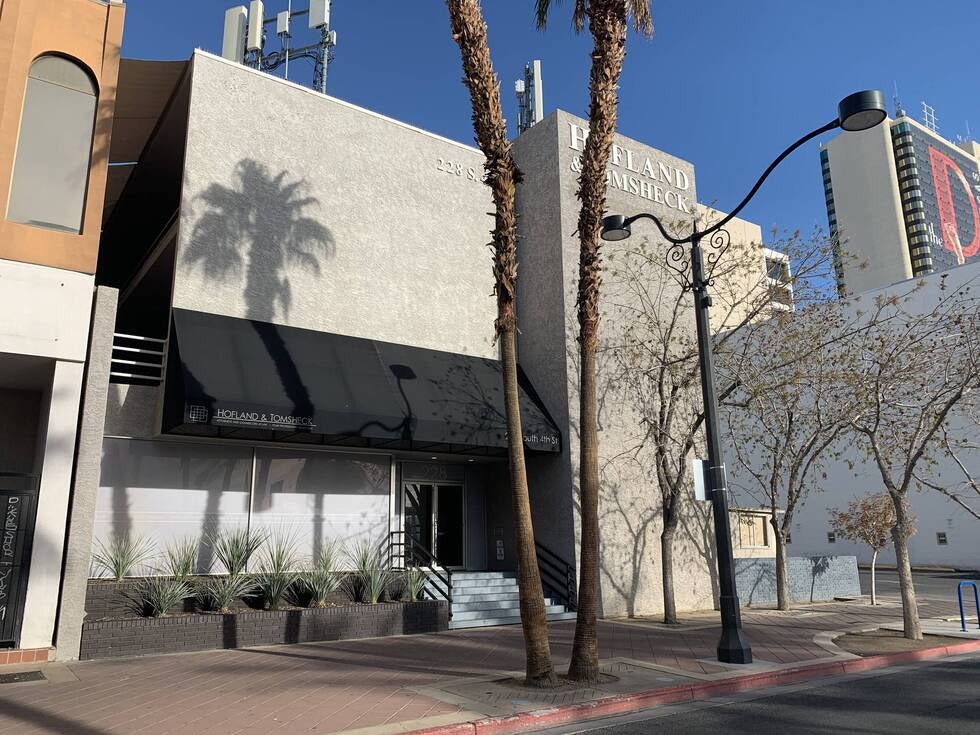
Las Vegas Domestic Violence Defense Law Center
Hofland & Tomsheck
228 S. 4th Street, First Floor
Las Vegas, NV 89101
📞 Call Anytime: (702) 895-6760
🌐 Visit Us: https://www.LVNVDV.com

Serious Defense for Your Serious DV Charges
No matter how complex your case may seem, you have options — and you have rights. Trust the experience, strategy, and courtroom strength of Attorney Josh Tomsheck and the Las Vegas Domestic Violence Defense Law Center to help you move forward.
